



Fixed Wireless Home Internet vs. Fiber-to-the-Home
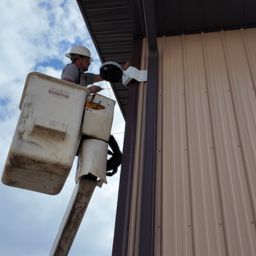
Infrastructure: The most fundamental difference lies in the infrastructure used to deliver internet connectivity. Fixed Wireless relies on radio signals transmitted between a base station and a fixed antenna installed at the subscriber's location. In contrast, Fiber-to-the-Home utilizes fiber-optic cables that transmit data via light signals directly to the subscriber's residence.
Speed and Bandwidth: Fiber-optic cables, with their ability to carry vast amounts of data at the speed of light, offer unparalleled speed and bandwidth compared to Fixed Wireless. While Fixed Wireless can provide respectable speeds, they often pale in comparison to the gigabit speeds achievable with FTTH, especially in densely populated areas.
Consistency and Reliability: Fiber-to-the-Home offers superior consistency and reliability compared to Fixed Wireless. Wireless signals are susceptible to interference from environmental factors like weather, foliage, and physical obstacles, which can degrade performance and lead to fluctuations in speed and reliability. Fiber-optic cables, on the other hand, are immune to such interference, providing a stable and consistent connection regardless of external conditions.
Latency: Latency, or the time it takes for data to travel from the source to the destination, is typically lower with Fiber-to-the-Home than Fixed Wireless. This is particularly important for applications requiring real-time interaction, such as online gaming, video conferencing, and VoIP calling. Lower latency ensures smoother and more responsive performance, enhancing the overall user experience.
Symmetrical Upload and Download Speeds: Fiber-to-the-Home offers symmetrical upload and download speeds, meaning data can be transmitted at the same high speed in both directions. In contrast, Fixed Wireless often provides asymmetrical speeds, with slower upload speeds compared to download speeds. This can be a significant limitation for users who frequently upload large files or engage in activities like video conferencing and cloud computing.
Scalability and Future-Proofing: Fiber-to-the-Home infrastructure is highly scalable and capable of accommodating the growing bandwidth demands of the future. As technology evolves and the need for faster internet speeds increases, Fiber-to-the-Home provides a future-proof solution that can adapt to emerging trends and innovations. Fixed Wireless may face limitations in scalability and bandwidth as demand grows, especially in densely populated areas.
In summary, while Fixed Wireless Home Internet and Fiber-to-the-Home both offer internet connectivity, they are fundamentally different in terms of infrastructure, speed, reliability, and scalability. For consumers seeking the ultimate internet experience with blazing-fast speeds, consistent performance, and symmetrical upload and download speeds, Fiber-to-the-Home remains the gold standard.