


CO2 Pipeline North Dakota
In her series "Capturing America's Heartland: CO2 Pipeline," Lori Hinz takes us on an investigative journey into the existing CO2 pipelines in North Dakota.
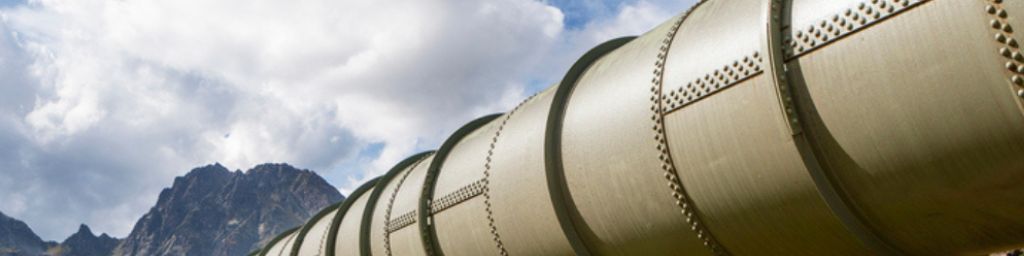
We learn from guest David Glatt, the Director of the North Dakota Department of Environmental Quality (NDDEQ), that CO2 pipelines are not new technologies. In fact, one has been in operation in North Dakota for over twenty-three years. Glatt discusses the different common sizes of pipelines, best practices to minimize the impact of accidents, and the unique challenges posed by North Dakota's harsh winters, like landslides and deep frost lines.
Next, local energy economist and engineer Curtis Jundt demystifies the complex world of pipeline acronyms and terminology. Jundt provides a detailed account of the two existing pipelines currently carrying CO2 in North Dakota. One pipeline, begun by Dakota Gasification Company in October 2000, stretches 205 miles from northwest North Dakota up to Saskatchewan. The second CO2 pipeline, operated by Denbury Resources, crosses the Montana-North Dakota border and runs through Wyoming and Montana, extending just 9 miles into far southwest North Dakota. Jundt also outlines the numerous regulatory agencies overseeing North Dakota pipelines and reminds viewers of upcoming PSC Public Hearings.
The second episode promises to delve deeper into the topic of CO2 pipelines, exploring sequestration and the associated benefits and risks. The key takeaways from this installment underscore the NDDEQ's role in overseeing EPA compliance and protecting North Dakota's air, water, and soil quality. It's also clear that pipeline terminology has its own language and that two existing CO2 pipelines are already operational in North Dakota. The oversight of these pipelines involves a myriad of regulatory bodies, from FERC to the US Department of Transportation to the North Dakota Department of Mineral Resources.
The series is a compelling exploration of the proposed $4.5 billion carbon pipeline project, which aims to capture carbon dioxide emissions across Minnesota, North Dakota, South Dakota, and Nebraska. Covering approximately 2,000 miles, the captured carbon dioxide will be permanently stored underground in west-central North Dakota, specifically Oliver and Mercer Counties.