
BEK Buzz
BEK BEK TV BEK TV+

Swiss EV Restrictions, Food Waste Solutions, & the Quest for Truth in Energy Policies

This move raises important questions about the readiness and sustainability of the rapid global shift towards EVs.

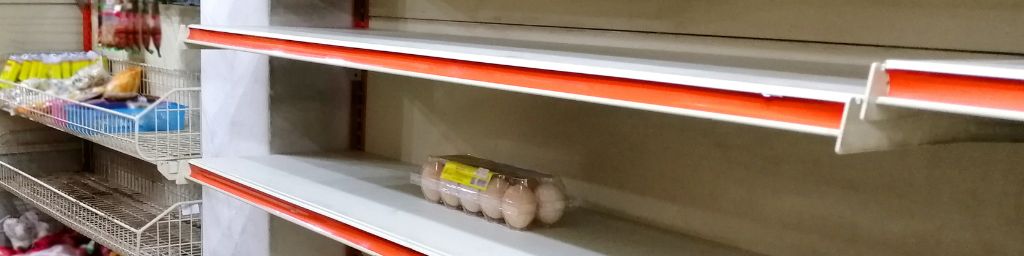
The pair then continued their conversation from the previous day about the alarming reality of food waste. It's a startling fact that ¾ of all discarded food finds its way to landfills. This led to a thought-provoking debate: might it be more sustainable and logical to channel this food waste for animal consumption?

The topic then transitioned to the role of governments in crafting energy policies. Trent and Andrew expressed concerns about whether government interventions are truly aiding the global transition to green energy or inadvertently creating roadblocks.

Diving into health, the co-hosts sought to dispel common misconceptions about what constitutes a genuinely healthy diet in today's information-saturated age.

The episode rounded off with a critique of the "propaganda press" and its often skewed narratives. Throughout, "Across the Pond" maintained its commitment to providing a distinctive conservative perspective on these pivotal global topics.

Reasons for High Levels of Food Waste:

  1. Lack of Awareness: Many businesses and individuals are not fully aware of the extent of food waste and its impacts.
  2. Inadequate Infrastructure: The absence of adequate infrastructure for food recovery and redistribution is a significant barrier. This includes lack of storage facilities, transportation, and networks to connect food donors with recipients.
  3. Food Safety Concerns: Restaurants often cite food safety regulations as a reason for not donating food. There is a fear of liability if someone becomes ill from donated food, despite laws like the Good Samaritan Food Donation Act in the U.S. that offer some protection.
  4. Logistical Challenges: Collecting, storing, and transporting surplus food in a way that maintains its quality and safety can be logistically challenging and costly for restaurants.
  5. Short Shelf Life: Many food items, especially prepared meals, have a short shelf life, making it difficult to redistribute them in time.
  6. Consumer Preferences and Practices: Over-ordering, preference for aesthetically perfect food, and large portion sizes contribute to food waste at the consumer level.

Potential Solutions and Challenges

  1. Redistribution to Underfed Populations

    • Challenge: Coordinating the logistics of collecting and safely distributing food to those in need requires resources and planning.
    • Solution: Partnerships with food banks and charities, and using food-sharing apps and platforms can facilitate this process.
  2. Feeding Animals with Food Scraps

    • Challenge: Not all food waste is suitable for animal feed, and there are regulations governing what can be fed to animals, particularly livestock.
    • Solution: Establishing connections with local farms or animal shelters that can use certain types of food waste.
  3. Policy and Incentives

    • Challenge: Existing laws and regulations might not be conducive to food waste reduction or redistribution.
    • Solution: Implementing policies that incentivize food donation and provide clear guidelines on food safety for donated food.
  4. Education and Awareness

    • Solution: Training staff on reducing waste, portion control, and educating consumers can play a significant role in reducing food waste.
  5. Technology and Innovation

    • Solution: Leveraging technology for better inventory management, forecasting demand, and connecting food donors with recipients can reduce waste significantly.

The issue of food waste requires a multifaceted approach involving policy changes, business practices, consumer behavior, and community action.

Across the Pond
Trent Loos
Livestock
Andrew Henderson
Switzerland
Electric Vehicles (EVs)
energy shortages
food waste
landfills
animal consumption
government
energy policies
healthy diet
propaganda press
conservative perspective
foodbanks
food-sharing apps

More in Shows

Fertilizer Shortages and the Growing Threat to Global Food Security

Fertilizer Shortages and the Growing Threat to Global Food Security ↗

Could the world face food rationing again? Trent Loos and New Zealand’s Damian Buckley reveal how Middle East fertilizer disruptions could slash global production by up to 20 percent, why a $1.3 billion green ammonia bet raises eyebrows, and what energy shocks mean for your dinner table.

Functional Medicine, Wisconsin Wolves, and Standing Up to Bullies

Functional Medicine, Wisconsin Wolves, and Standing Up to Bullies ↗

Can stem cells ease joint pain? Patti shares her own stem cell story as Adam Grimsley of Breakaway Functional Medicine reveals the future of personalized healthcare. Then, Wisconsin farmers and pet owners speak out about wolf attacks, plus smart ways to help kids stand up to bullies.

Hank Vogler on BLM Permits, Coal Energy and the Fight to Save the Sheep Industry

Hank Vogler on BLM Permits, Coal Energy and the Fight to Save the Sheep Industry ↗

Is the American sheep industry running out of time? Nevada rancher Hank Vogler and Trent Loos reveal why flocks have crashed from 60 million to 5 million, how BLM delays hurt ranchers, and why Cargill’s funding of lab-grown meat and animal rights groups should alarm every farmer.

Free Indeed: Faith Under Fire from Pakistan to America

Free Indeed: Faith Under Fire from Pakistan to America ↗

What does it cost to follow Jesus in Pakistan, where Christians face persecution? Pastor Jeff Weiss shares stories from Camp Muri, then he and Luke Tibor challenge American churches on declining faith, outsourced discipleship, and how to love family members without judgment. Don’t miss this eye-opening conversation.

Colorado Landowner Takes On Tallgrass Over CO2 Pipeline and Compressor Station

Colorado Landowner Takes On Tallgrass Over CO2 Pipeline and Compressor Station ↗

What would you do if a CO2 pipeline ran 800 feet from your front door? Colorado landowner Carrie Hume is fighting back with a lawsuit against Tallgrass Energy, exposing mystery chemical odors, broken easements, and a pipeline nobody is monitoring. Her story could happen on your land next.

Raising Quality Beef Without High Overhead: Ron Freeman on Smart Ranch Management

Raising Quality Beef Without High Overhead: Ron Freeman on Smart Ranch Management ↗

Is overhead eating your ranch alive? Illinois cattleman Ron Freeman reveals how he raises top-quality beef while keeping costs in check. Trent Loos and Ron dig into grazing, stewardship, and efficiency strategies that keep ranching profitable. Don’t miss these real-world lessons every cattle producer needs to hear.

Carriages, Pipelines and the Real Cost of Green Fertilizer

Carriages, Pipelines and the Real Cost of Green Fertilizer ↗

A $1.3 billion fertilizer plan that costs more to power than fertilizer sells for? Trent Loos digs into the numbers, the Central Park carriage ban fight, and transmission lines threatening land values, while Kelly Seaton reveals how a CO2 pipeline is taking her farm out of production for four years.

Energy, Elections and Regulation: A Town Hall with Senator Kevin Cramer

Energy, Elections and Regulation: A Town Hall with Senator Kevin Cramer ↗

Senator Kevin Cramer joins Scott Hennen for a no-holds-barred talk radio town hall! From oil, coal, and refining to energy tax credits, federal regulation, and the midterms, including Minnesota’s must-watch elections, this conversation tackles the issues that matter most to the Upper Midwest. Tune in now!